
N.B. I don’t own the rights to the images on my blogs and website. Howerver, due to the Fair Use act, I have taken these from the Bing online images on Google.
Re-branding The Republican Party, With Lessons For Business
The Republican Party is in turmoil, no doubt about it. White males in suburban and rural areas, their core base, are fed up with Government and want an “outsider”, even Donald Trump. Meanwhile young voters love Bernie, and women and minorities support Hillary, despite questionable trust in her. The Republican establishment is bewildered because their traditional message no longer resonates with most of their constituents. In short, the world has turned upside down for them. And these dynamics are not so different from the constant...
read moreHow Tim Cook Is Transforming The Apple Brand
Apple has clearly been a worldwide leader in innovation. Their brand mission states “we’re on the face of the earth to make great products”, and they certainly have proven themselves, thanks mainly to the brilliance of Steve Jobs. But now Tim Cook is broadening the Apple brand to also “make a significant contribution to culture”, and “enable customers to engage the world in more meaningful ways”. This additional dimension to Apple’s company brand represents an extraordinary transition to a next generation concept for why a corporation...
read moreHow Millennials Are Driving The Bernie Sanders Brand
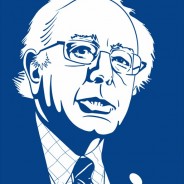
The surge behind this exploding Bernie phenomenon is fascinating for many reasons. It is certainly an indication of how divergent our society and politics have become, and this could even intensify in the future. It also shows the political potential of finding and concentrating on the most pronounced issues that frustrate younger people so much. Interestingly, from a branding perspective, there are some revealing lessons from this unexpected success of the Bernie Sanders brand. In branding, it is critical to first identify the most...
read moreThe Big Challenge for Big Brands Today: Authenticity
Before the internet, marketers had a relatively free reign for making questionable competitive claims, creating a brand image of superiority and hence demanding a premium price. But the internet has changed the ground rules. Instant access to endless information and objective feedback from friends has enabled consumers to seek and find the truth behind such promises. This has also led to an atmosphere of extensive mistrust of companies, CEO’s and even many established brands, especially among Millennials. Today consumers want...
read moreWhy the Trump Brand is in Trouble

Donald Trump’s candidacy seems to be top-of-mind for everyone these days. His provocative style and proclamations have definitely hit a sweet spot with many Republican voters, while the rest of the world remains bewildered at his high poll ratings. To understand his success, and his future, it is helpful to view Trump from a branding perspective. To develop a strong a brand, one has to begin with the marketplace and the potential audience or customer, to identify any particular problems, needs, frustrations or essentially new...
read moreThe “Name Game” Challenge: Creating That Ideal Brand Name And Archetype
Branding is more than finding a new name or image. It is about developing a compelling promise and making the right impression, one that will resonate and stand out. It is strategic, with the long term goal of cultivating a relationship of trust and loyalty. But a clever, meaningful brand name will indeed generate that positive first impression which is so essential for attracting your target customers. Our fascination with fashionable, sometimes outrageous brand names extends from companies to products to even novel names for types of...
read moreThe ISIS Brand: A Case Study For Shrewd Brand Building
Few recognize “ISIS” as a successful brand, but it is. We just see their despicable beheadings, destruction of ancient ruins in Palmyra, and all the other grotesque forms of brutality and violent extremism. The ISIS Caliphate is an extreme terrorist group which has overnight conquered a large territory in Syria and Iraq, and continues to recruit new members from around the world. But “ISIS” is also a strong brand with a distinct impression, personality and message. And it is a classic example of effective branding, dedicated to gain...
read moreWhy Preserving The “Face of the Brand” Is So Important: Burt’s Bees and Ben & Jerry’s
The beauty of many entrepreneurial start-ups these days is that their brands can be so refreshingly eccentric and charming. Often they succeed by creating new space in mature categories that no one ever anticipated, and the persona of the founder can make these brands even more distinctive and memorable. Two classic examples are Burt Shavitz for Burt’s Bees, acquired by Clorox in 2007, and Ben Cohen and Jerry Greenfield for Ben & Jerry’s, purchased by Unilever in 2000. When these were acquired however, there was an immediate fear that...
read moreBranding the “Circular Economy” Model for Millennials
Last week, a friend and former client, Leszek Adamczyk, CEO of an innovative environmental software firm in Poland (ATMOTERM), sent me an enlightening article on how younger people in Europe are becoming more engaged in the “circular economy” model and adding fresh ideas for its growth. This article and additional research revealed three interesting insights that are relevant for all marketers. First, the importance of recognizing key global trends and their potential impact on society and business. Second, how the driving force from...
read moreEvery 2016 Presidential Candidate Is a Brand, But They Lack Trust and Authenticity
Essentially each Presidential candidate is a brand. They develop a special persona which they hope will emotionally appeal to their target audience, they own a distinct brand name (e.g. Jeb Bush or Hillary Clinton), and they make brand promises which they believe are relevant for their constituencies. These are the core principles of good branding. Ultimately a successful brand will want a relationship with its target customer that is based on trust, authenticity and credibility. But why are these foundational attributes so lacking for...
read more
