
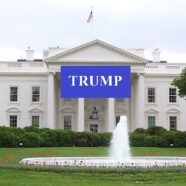
Many people believe Donald Trump is brilliant at branding, since his name is on such a vast variety of products, services and even public institutions. A brand name is considered the “face of the brand”, and ideally it must imply a promise of benefits that will ultimately lead to a favorable relationship with an audience. Brand image and personality are also critical since the emotional connotations of the name should match what customers want and expect.
In general, there are several approaches to creating good brand names. The pharmaceutical industry frequently uses “phonologics”, which builds on the theory that there is a subconscious relationship between sounds and emotions. For example, it uses certain letters like “X”, “Z” and “C” often which imply power and innovation (e.g. Celebrex. Zantac, etc.). Consumer goods companies use emotionally descriptive names such as Pampers, Master Lock, or Die Hard. Then there is lifestyle branding which highlights a particular person who is known for certain skills and expertise that can be credibly associated with different products – e.g. Martha Stewart, Ralph Lauren, etc.
Trump is an example of lifestyle branding, but the big question is whether his name is appropriate or enhances the customer appeal for his branded products. Trump’s primary audience is the MAGA segment of voters, who are so obsessed with him that their relationship is more like a personality cult. Trump’s MAGA merchandise business is huge, estimated to be worth $300 million per year, a vast economy of knick-knacks and souvenirs, from $100,000 diamond-studded gold watches to a plethora of hats, T-shirts, coins, colognes, guitars, cufflinks, candies, etc. MAGA followers can’t get enough of the Trump brand and will blindly buy almost anything with the Trump name and/or face on it. Trump has smartly promoted and taken advantage of this hysterical brand phenomenon.
The Ethics of Trump’s Lifestyle Brand
While this type of lifestyle branding may be legitimate, there is a bigger question of the appropriateness of putting his brand name on things that he has not created or owns, some of which may be illegal or at least unprecedented, as well. Some of the more flagrant brand adaptations include:
- Public Institutions – The “Trump-Kennedy Performing Arts Center” might be the most controversial, since such citadels are named posthumously and most important, the Trump bullying and immoral lifestyle doesn’t come close to the classy, cherished and respected image of Kennedy and the arts. His plan for the oversized, tacky ballroom next to the White House is another example of Trump’s exaggerated self-ego.
- Transportation – Trump has expressed a desire to display his name on hubs like Penn Station, the Washington Metro, Dulles Airport, Palm Beach Airport, and even the Washington Commander football stadium.
- Other Institutions & Services – it’s now the “Trump Institute of Peace”; his name, face and/or signature will be on monetary instruments (i.e. dollar bills, a $100 bill, Commemorative Trump coins, Trump Gold Card, National Park passes, etc.), also initiatives for his likeness on Mt. Rushmore, a TrumpRx on the Government website for prescriptions and “Trump Class” warships for the U.S. Navy.
Corruption with the Trump Brand
The trouble with these Trump additions is that they belong to the American public, not Trump, and most must be confirmed by Congress. Even more disconcerting is the fact that billionaires and politicians around the world recognize the ego centric obsession of Trump and will offer his brand name on public or private institutions as a “bribe” for his support. Many of the above initiatives originate from Republican politicians who seek to retain power and gain Trump’s backing on local issues. Recently it was announced that Middle Eastern investors are building a new Trump golf course in Syria to persuade Trump to drop the tariffs and sanctions on Syria, arranged by Republican Senator Joe Wilson from South Carolina.
Our founders did not want an autocracy led by a king with ostentatious, gaudy tastes like the royal palaces in Europe. Trump wants to be everywhere, to remake the world in his own image, benefiting himself and not the public. No other sitting president has tried to make money off the office. For members of Congress, using public office for private gain is strictly prohibited by their codes of conduct, but there are no comparable rules for the president. Ethics experts are concerned about conflicts of interest and the growth of corruption, especially how this might impact Trump’s decisions. Our government must benefit all Americans, not just the MAGA segment or one person.
Note: I don’t own the rights to the image on my blog and website. However, due to the fair use act, I have taken them from Bing online images on Google

